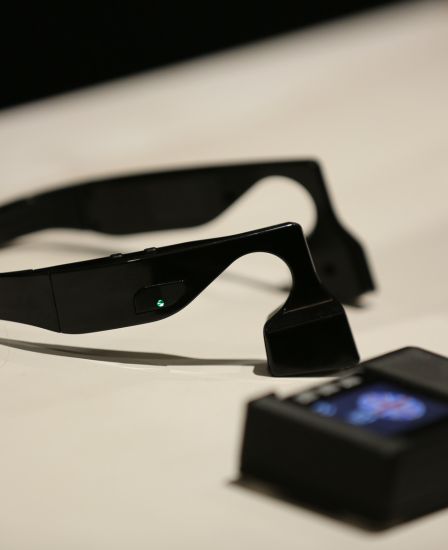
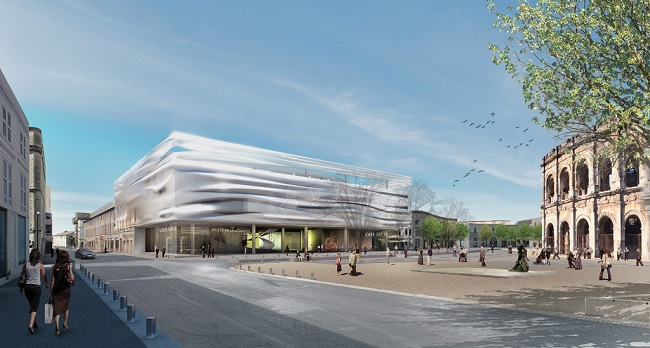
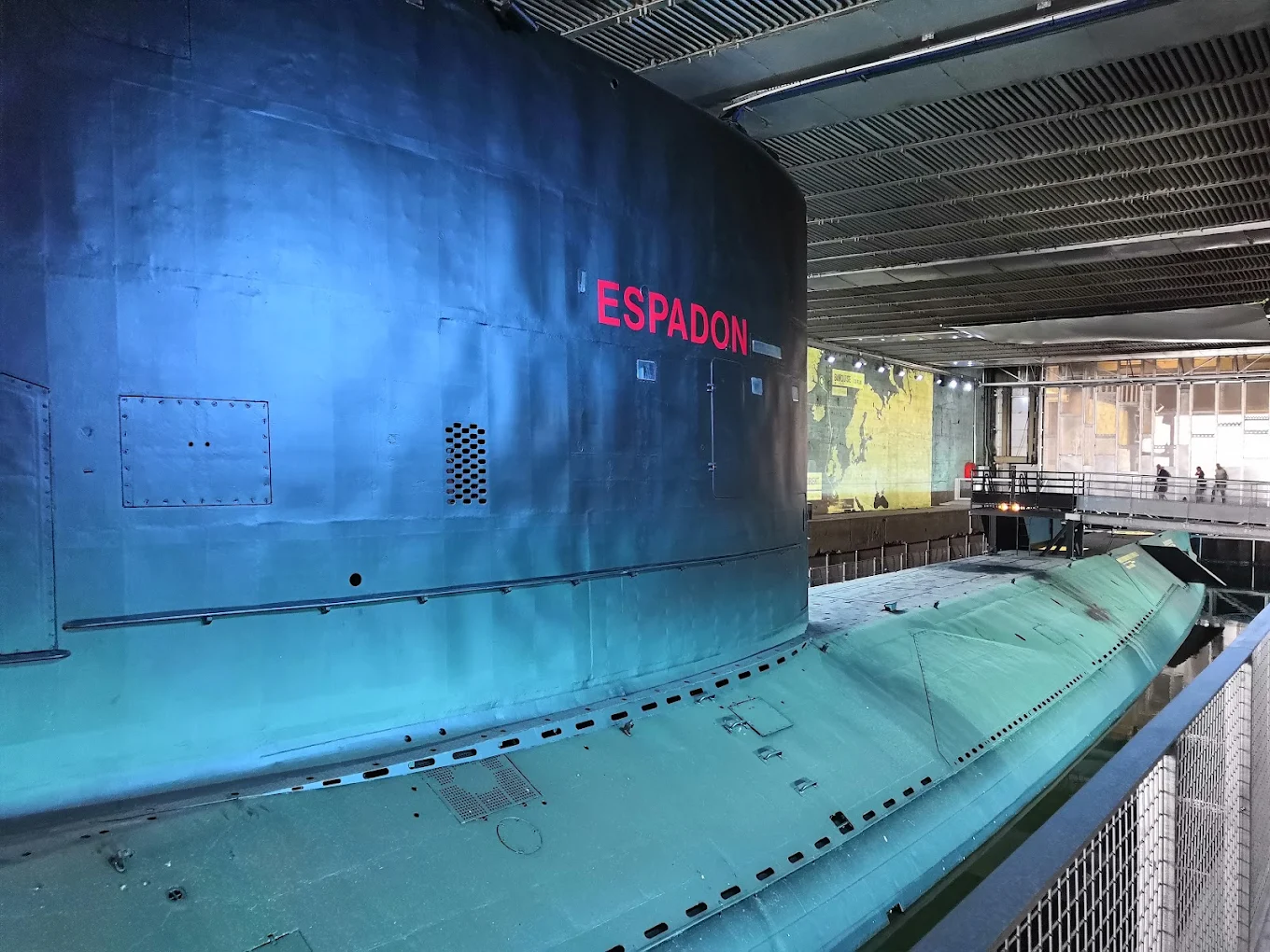
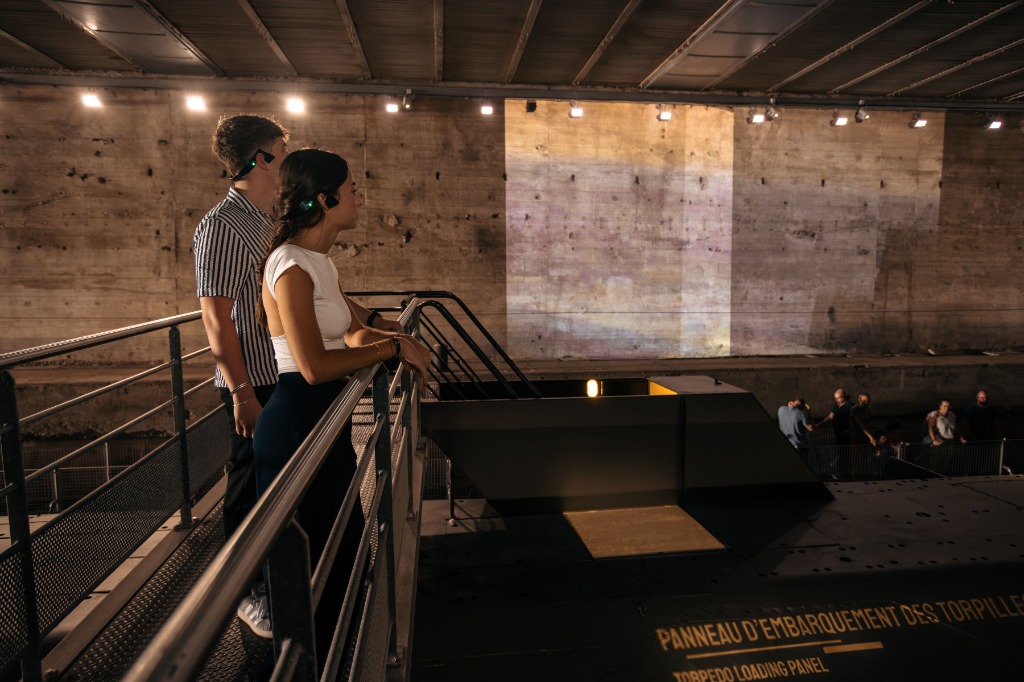
With the globalisation of tourism, multilingual audio guides have become essential tools for museums and cultural institutions. But synchronising this content with audiovisual elements or animated shows poses significant technical challenges. An overview of current technologies and emerging trends.
The challenges of multilingual synchronisation
Offering a consistent, immersive experience means that every user must receive information perfectly aligned with the visual or animated elements in progress. In immersive exhibitions or animated shows, timing precision becomes critical. Audio guides must also adapt to visitors' different rates of comprehension, which vary with language or age. Finally, in an environment saturated with electronic devices, interference can disrupt signals and make maintaining precise synchronisation more difficult.
Current technologies
Radio-frequency identification (RFID) and Bluetooth beacons are among the most common solutions: they automatically trigger audio segments when the user approaches a given point — for example, an explanation in the chosen language activates as the visitor approaches an installation. These systems can be programmed to adjust content to the visitor's pace, but their precision depends heavily on the density of the beacons and the layout of the space.
Wi-Fi-based systems, widespread in museums and galleries, synchronise audio content with videos or projections in real time and can dynamically adjust content according to the user's position. Their reliability, however, remains dependent on signal quality, which varies with the environment.
Infrared technology offers particularly precise synchronisation, favoured in theatres or animated shows where strict timing control is crucial, and where Wi-Fi or Bluetooth might lack reliability. It does, however, require a clear line of sight to work properly.
Emerging trends
Artificial intelligence and machine learning enable real-time analysis of visitor behaviour: AI can anticipate a visitor's needs based on their previous reactions and adjust content synchronisation for a more personalised, smoother experience.
Augmented reality and virtual reality open up further prospects: multilingual content is synchronised not only with visual elements in real time, but also with the visitor's interaction within the virtual environment, for total immersion.
Gesture-controlled systems, still experimental, hint at an unprecedented form of interaction: pointing a finger at a work of art could be enough to trigger a description synchronised with what you are looking at.
Towards a richer, more inclusive experience
These innovations represent a commitment to greater cultural accessibility: precisely synchronised multilingual content makes it possible to attract a wider international audience and offer everyone a personalised experience. They do not come without challenges — significant investment, technical expertise, personal data management and privacy, particularly with AI. But the potential is immense: by adopting these technologies, museums will offer visits that are not only informative, but truly captivating and accessible to all.
Tell us about your project: our creative team is here to guide and advise you
Contact us