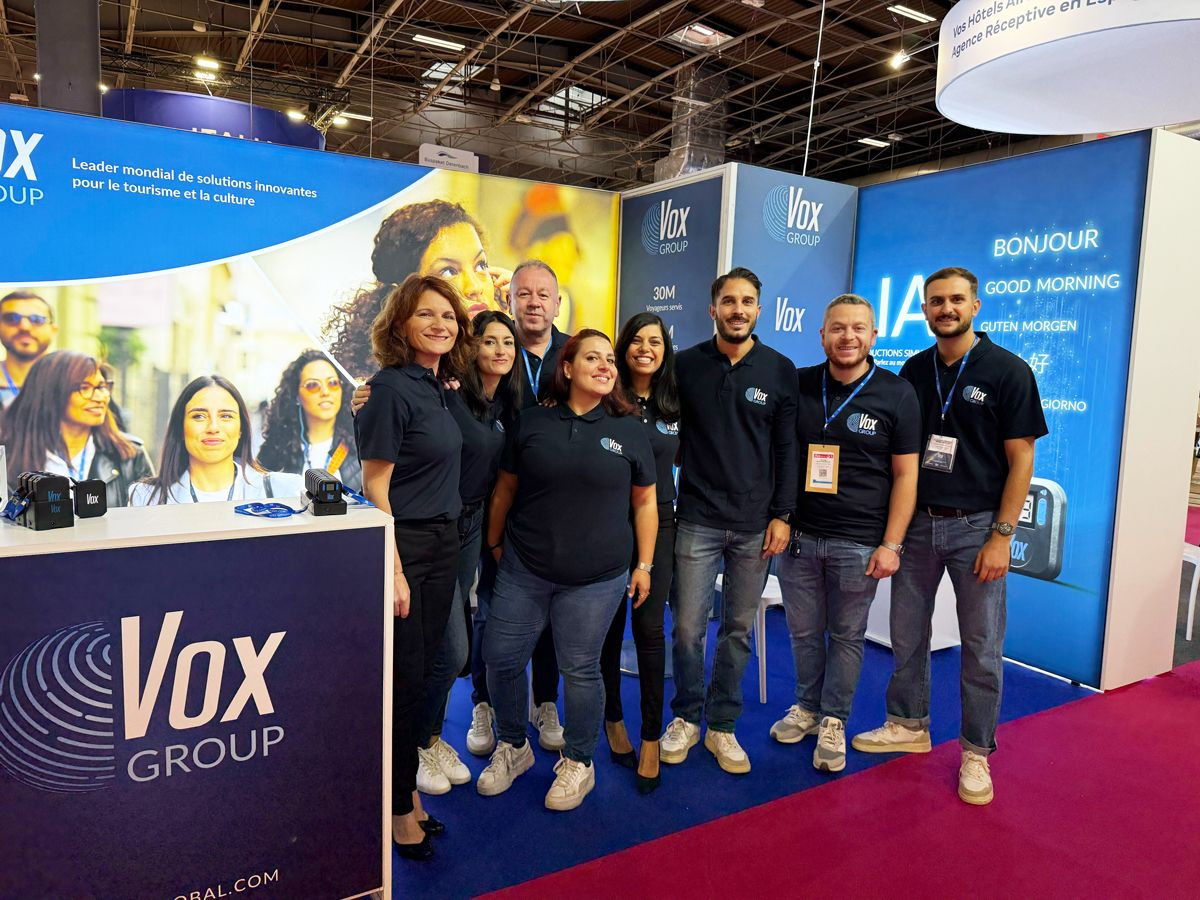
Sycomore and Vox Group at the IFTM trade show: solutions for conferences and events
Last week, Sycomore, a subsidiary of Vox Group, was present at the IFTM trade show...
Read more→
21 October 2025
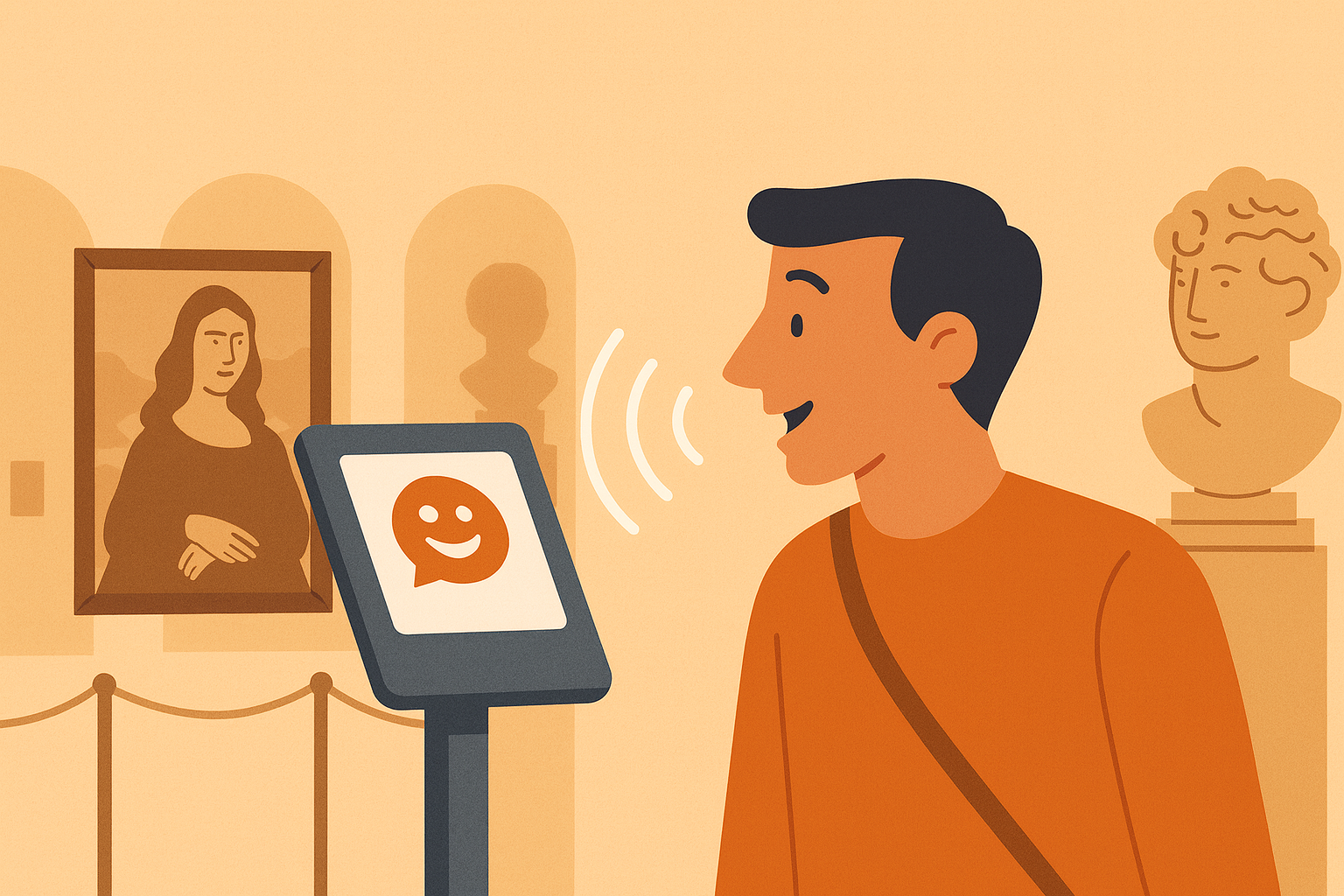
At a time when technology is continuously reshaping cultural and museum experiences, voice interaction is emerging as a key development. Visitors no longer settle for passive experiences; they want to interact, ask questions, and receive answers in real time. Voice command technologies now make it possible to turn visits into genuine conversations, offering intuitive and natural experiences.
Voice interaction relies on devices capable of understanding and responding to visitor requests through speech recognition and artificial intelligence. Rather than navigating menus or pressing buttons for audio commentary, visitors can speak naturally to devices or mobile applications.
This technology opens new possibilities:
A key advantage is the fluidity of the experience. Rather than following rigid instructions, visitors ask conversational questions: "Who painted this work?" or "What was the historical context?" This transforms the audioguide into an intelligent assistant, able to adapt its commentary to the visitor's profile and interests while maintaining coherent, immersive narration.
Voice technologies enable the creation of dynamic interactive tours. Content evolves based on questions asked and the order of discovery. Visitors can trigger secondary stories, anecdotes, or interactive quizzes simply by speaking. Applications combine 3D sound, narrative audio, and augmented reality for full immersion.
Integrating voice interaction represents a forward-looking opportunity. Institutions that adopt these technologies demonstrate they are advancing research and development, creating distinctive experiences while offering multilingual, real-time personalised tours that strengthen inclusivity and accessibility.
Voice interaction requires adapted solutions:
These challenges are also opportunities: creating truly interactive and engaging audio tours while offering personalised service at scale.
Voice interaction could transform cultural visits into conversational, immersive experiences in the years ahead. It gives visitors the ability to be protagonists of their exploration, discovering anecdotes and interacting naturally with content. By adopting these developments, heritage institutions position themselves as leaders, offering distinctive, intuitive, and personalised experiences. The future of cultural visits may become conversational, with audioguides evolving into intelligent assistants capable of responding in real time to visitor expectations.
Last week, Sycomore, a subsidiary of Vox Group, was present at the IFTM trade show...
Read more→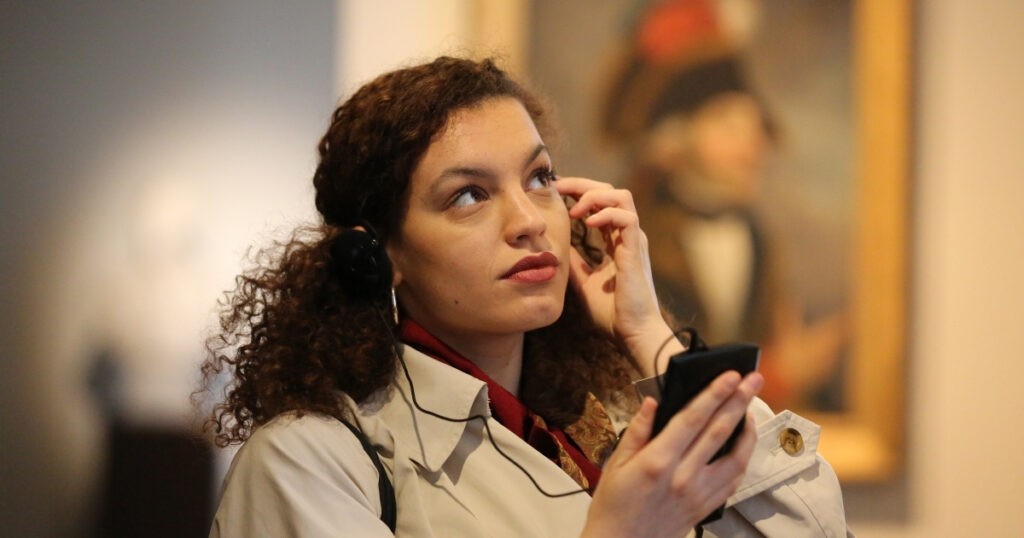
Visitors no longer just want to observe objects: they want to live history. Storytelling combined with 3D audio immersion places sound at the heart of the visit experience.
Read more→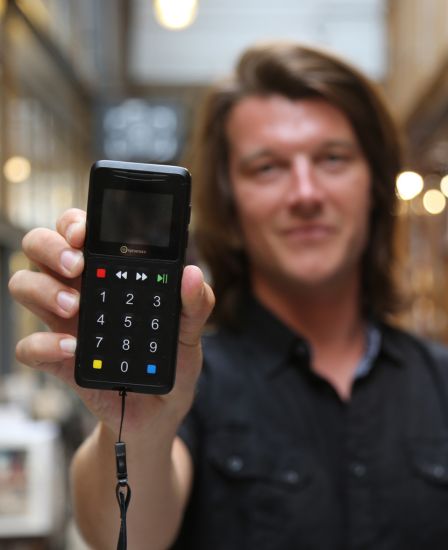
In Geneva, the Fondation des Clés de Saint-Pierre renews its audio guide system with the A-Guide Smart: an immersive tour of around 1.5 hours, synchronized with audiovisual content across six areas of the site.
Read more→Tell us about your project: our creative team is here to guide and advise you
Contact us