By combining audio immersion and innovation, 3D audio and binaural recordings are transforming the way visitors discover cultural and tourist sites, redefining the standards of cultural interpretation.
What are binaural and 3D audio?
Binaural sound, often called 3D sound, is a technology that recreates a natural sound atmosphere by spatializing sounds within a 360° space. Unlike stereo sound, which relies on two distinct sources (left and right), binaural audio simulates the way humans perceive sound in real life: in front, behind, to the right, to the left, above or below.
Using microphones specially designed to mimic the position of human ears, this technology accurately reproduces sonic nuances and distances. The result is total immersion, placing the listener at the heart of the action.
A revolution for cultural visits
3D audio opens up new possibilities for enriching visitor experiences. In a château, visitors can hear the footsteps of courtiers echoing through the corridors or catch the lively conversations of a banquet. A cathedral comes alive with the authentic resonance of Gregorian chant. Visitors no longer simply tour a place: they feel it.
The key strengths of binaural audio:
- Total immersion: every sound seems to come from its natural location; visitors perceive the layout of the space and its acoustics through sound spatialization.
- Enhanced storytelling: narratives come alive thanks to storytelling enriched with realistic, directional sounds.
- Greater accessibility: 3D audio is particularly well suited to visually impaired visitors, offering an intuitive and immersive way to discover a site.
The challenges to overcome
- Initial investment: the necessary equipment, such as binaural microphones and immersive headphones, involves a significant budget for institutions.
- Technical expertise: creating 3D audio content requires advanced skills in recording, spatialization and post-production.
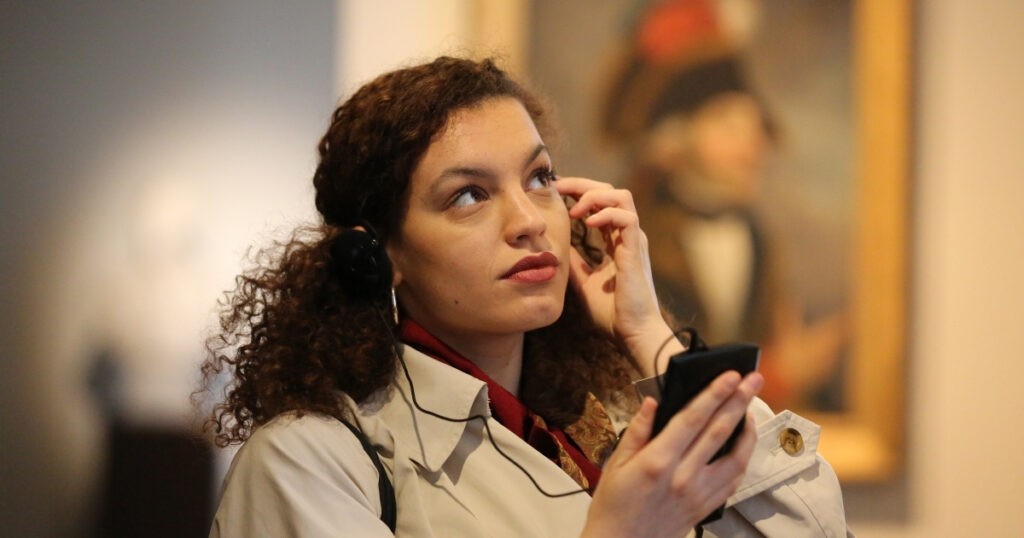
- The interpretation tool: making the most of this immersion requires a suitable visit device, such as high-performance audio headphones supplied by a reliable manufacturer.
- Post-production: projects demand meticulous attention to detail to ensure a flawless sound result.
With capable partners, these challenges become opportunities to create memorable, accessible immersive experiences.
Innovative uses
3D audio can enrich visual experiences in augmented or virtual reality, where sound becomes an additional sensory dimension. Conversely, sites can opt for experiences based solely on audio, going against the grain of screen-saturated devices: this approach highlights the storytelling and puts the works and the places at the centre of attention. Finally, for visually impaired visitors, combined with specific sound cues, binaural audio becomes an essential tool for making cultural experiences inclusive.
The S-Guide: a pioneering innovation for immersive tours
The S-Guide stands out as one of the first automatic headset audio guides designed specifically for cultural sites and visitor routes.
- A single, universal solution: one-size-fits-all, it suits every visitor, young or old, and its robustness meets the demands of sites welcoming large audiences.
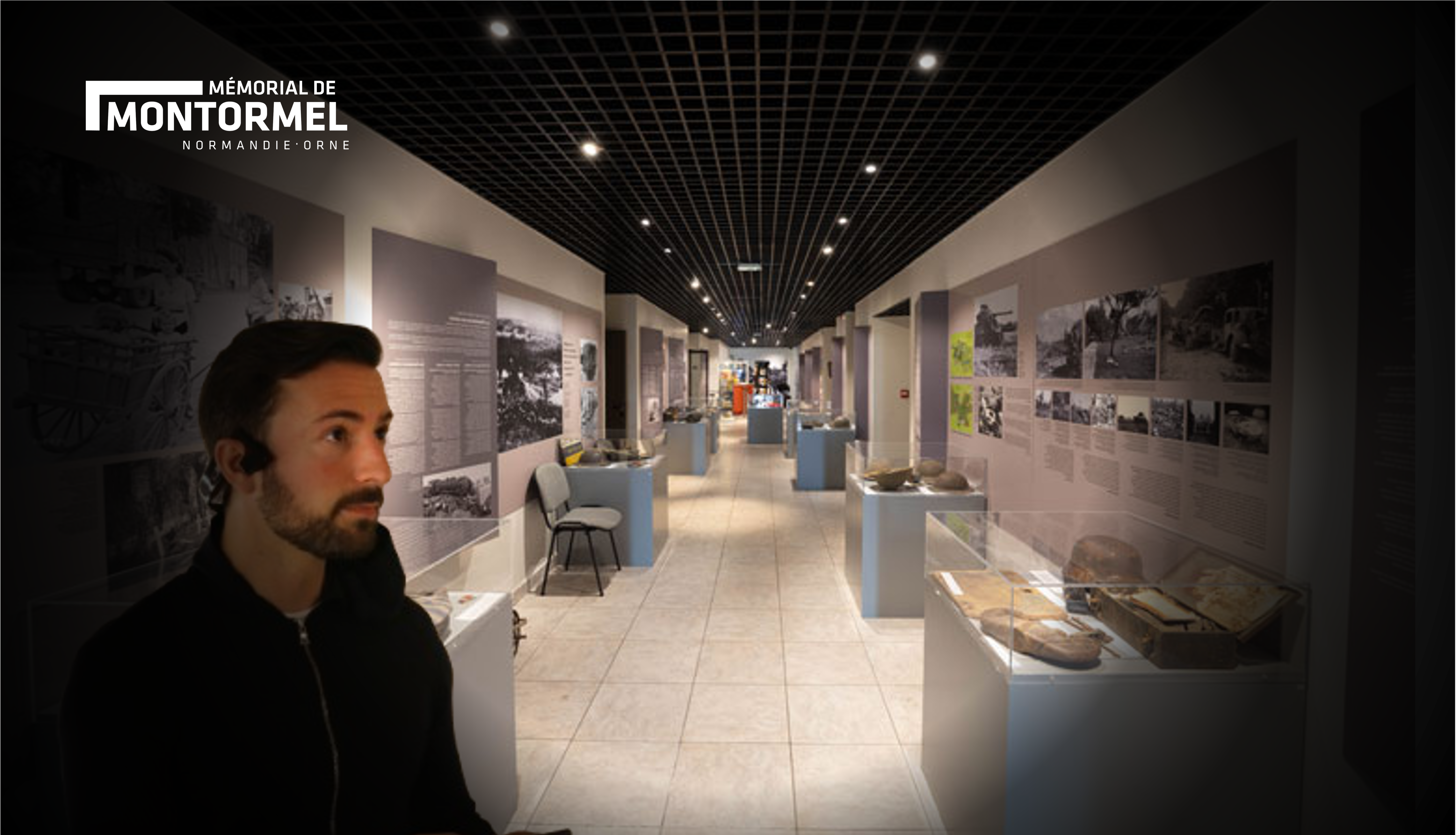
- Automatic triggering of commentary: its smart system activates audio content based on visitors' positions, letting them wander freely without handling the device.
- Sound-centred interpretation: designed to exploit the full potential of 3D and binaural audio, it transports users into realistic, directional soundscapes.
In a world dominated by screens, this approach refocuses attention on listening and imagination. As the technology continues to become more accessible, binaural audio is establishing itself as an essential tool for institutions seeking to innovate, capture audiences' interest and showcase their heritage in an original and inclusive way.
Tell us about your project: our creative team is here to guide and advise you
Contact us