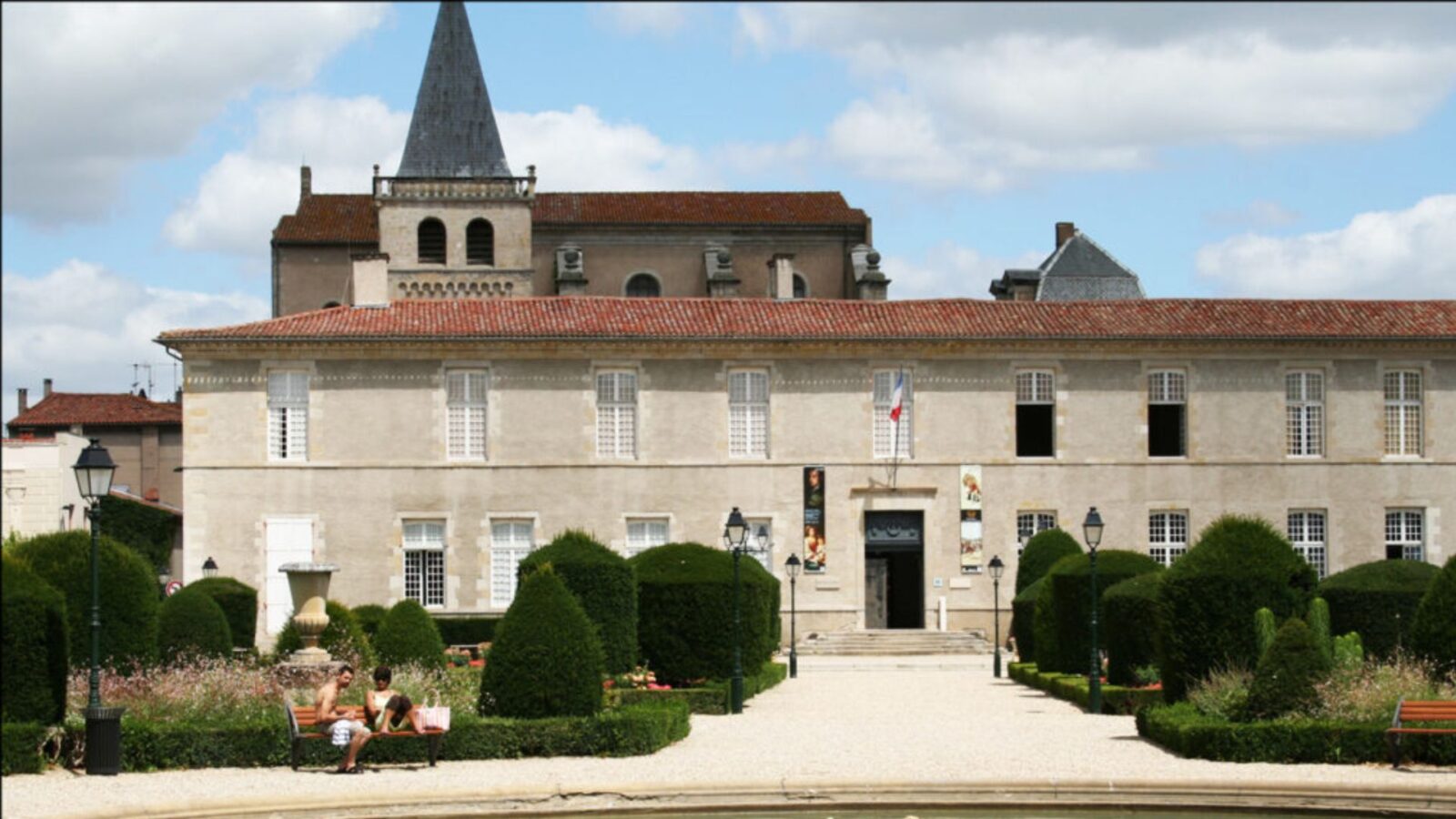
Installing the Audiopen at the Musée Goya
The Musée Goya in Castres, home to one of the richest collections of Spanish art outside Spain, is enhancing its visitors' experience with Sycomore's Audiopen.
Read more→
26 July 2024
Providing a visit experience suited to young visitors is essential for museums and cultural sites. Thanks to trails designed specifically for different age groups and the use of innovative tools, children can discover cultural treasures in a playful and educational way — provided the right balance is struck between play and learning.
The needs of young visitors vary considerably depending on their age. To meet them, it is crucial to offer suitable trails:
A good story, well written and well performed, can captivate young minds and spark their enthusiasm. Audio guides and video guides must offer engaging narratives, performed by talented actors, to truly carry children away on an imaginary journey. This immersive storytelling allows them to connect emotionally with the stories and characters, making the visit memorable.
Video guides equipped with screens and smartphone applications play a crucial role in engaging young visitors. At the Galeries Nationales du Grand Palais, we pioneered the use of video guides with creative interfaces for children's programmes: exhibitions such as "Chagall connu et inconnu" and "Visions du futur" demonstrated the importance of imagery and playful interfaces, followed by ever more sophisticated programmes for Chenonceau and the town of Noyon.
Image recognition and augmented reality also deliver remarkable results: children, accustomed to the morphing effects and visual interactions of video games, see real-time transformations that capture their imagination.
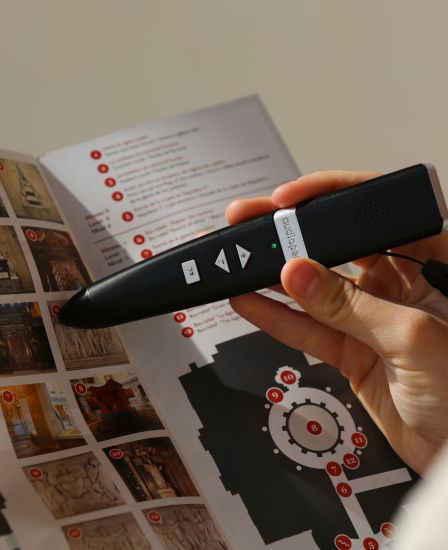
Finally, the Audiopen is a device much loved by young visitors. Simple and playful, it makes it easy to move around thanks to an interactive visit map: by pointing the pen at an area, children trigger audio commentaries, stories or quizzes. It leaves a tangible souvenir of the visit — the map — and can also cater to the very young thanks to symbols, drawings and pictures for those who cannot yet read.
Play is a central element of many children's projects, and "serious games" and "escape games" are enjoying growing success, particularly when designed for families. In the Audiopen, quizzes are especially popular: they require children to stay focused and aid memorisation, encouraging them to find the answers by interacting with the exhibitions.
Family trails are particularly valued because they bring the generations closer together: parents explain more complex concepts, children ask questions and express their curiosity. Trails can be designed for this interaction, offering shared or parallel routes for different generations, allowing dialogue and shared memories.
The Musée Goya in Castres, home to one of the richest collections of Spanish art outside Spain, is enhancing its visitors' experience with Sycomore's Audiopen.
Read more→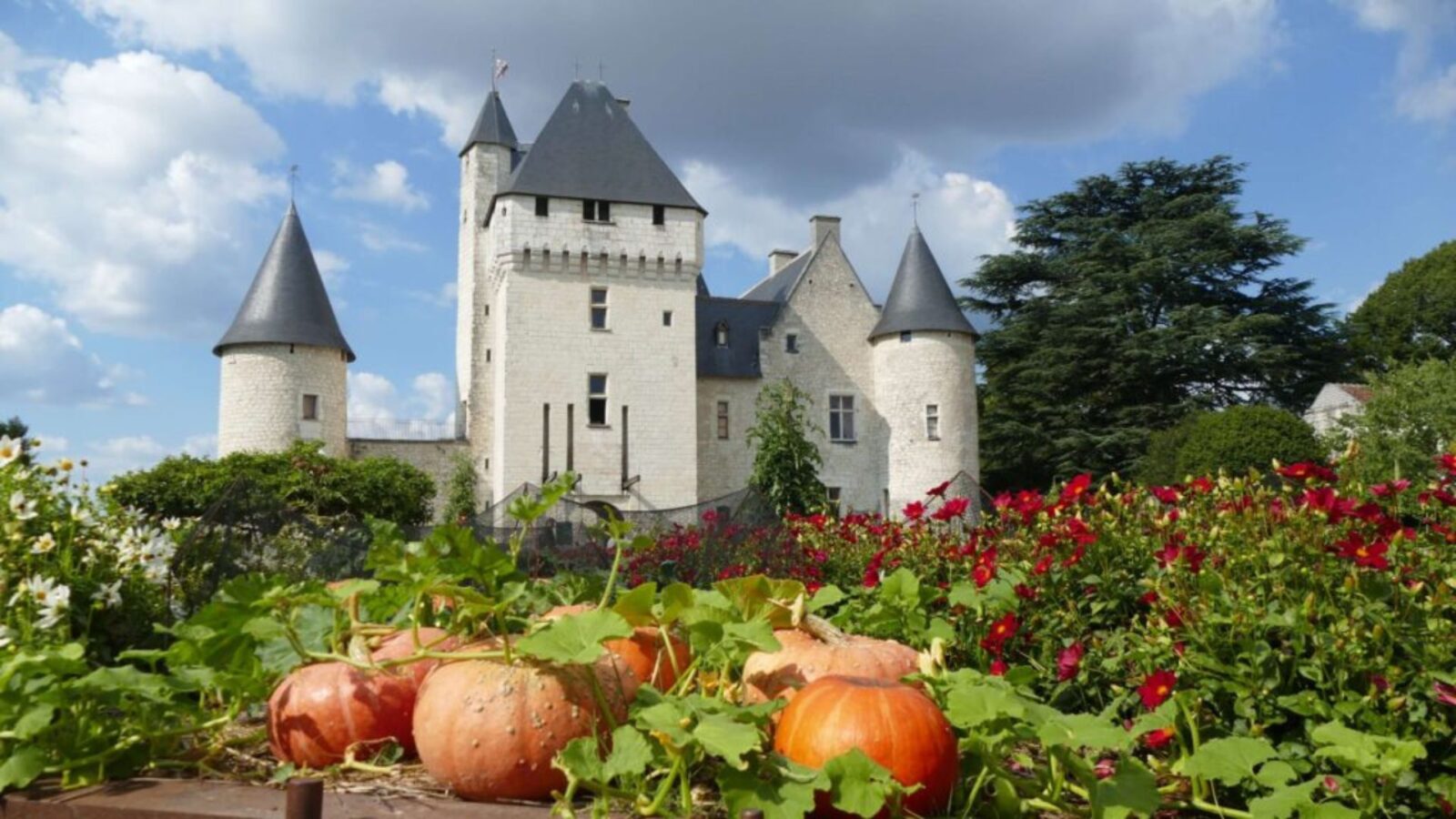
In the heart of the Loire Valley, the Château du Rivau offers a playful, interactive tour of its estate and fairy-tale gardens thanks to Sycomore's Audiopen.
Read more→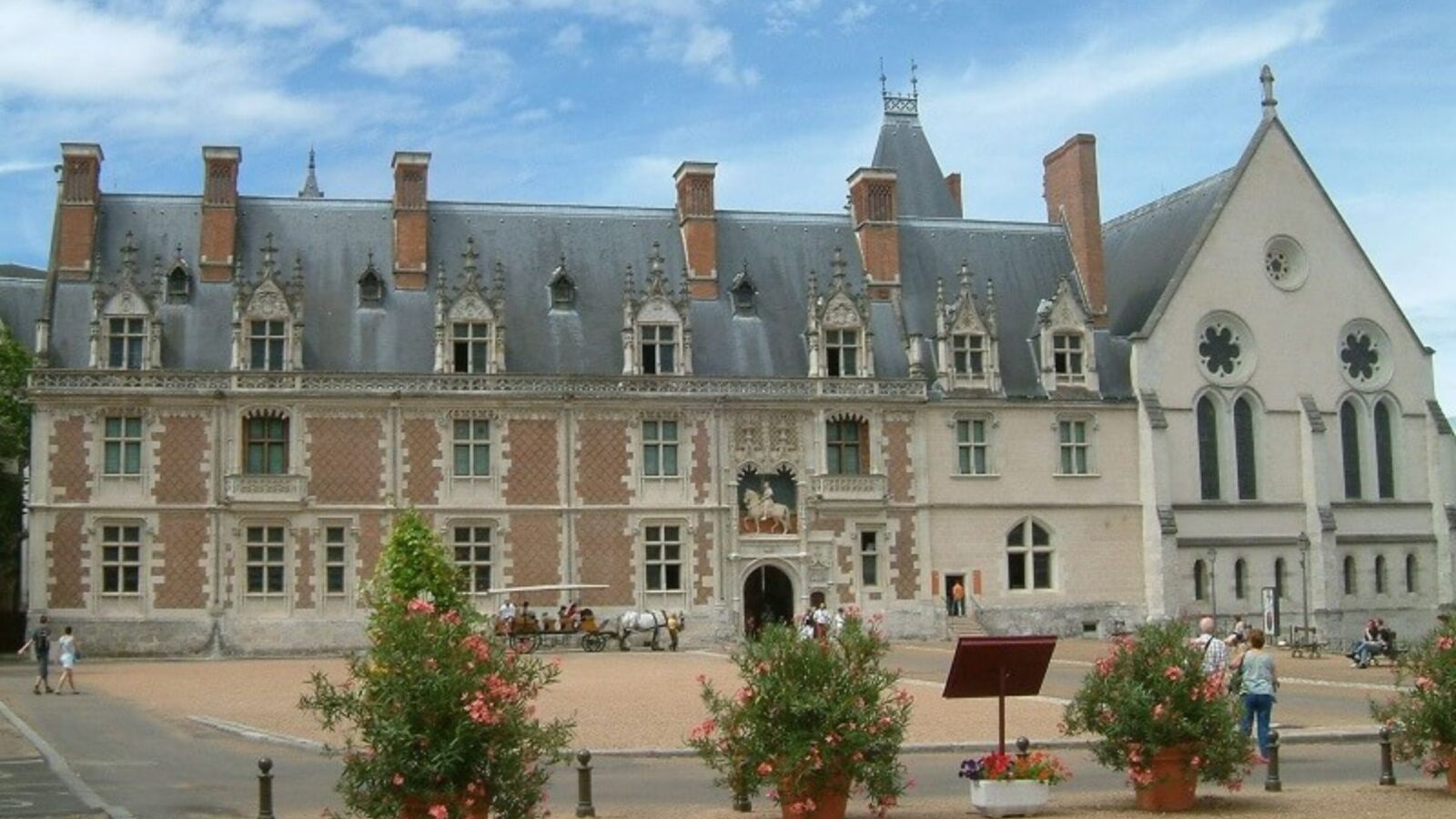
At the Château de Blois, the Porcupine, emblem of Louis XII, guides children through royal history thanks to the Audiopen, a smart pen that turns the visit into an interactive game.
Read more→Tell us about your project: our creative team is here to guide and advise you
Contact us