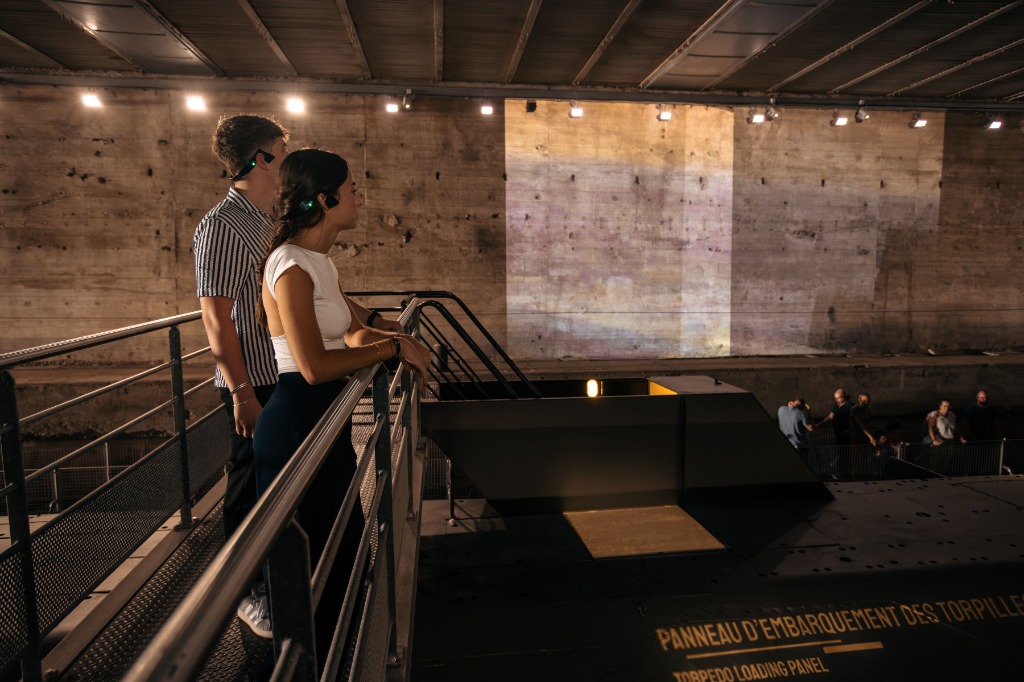
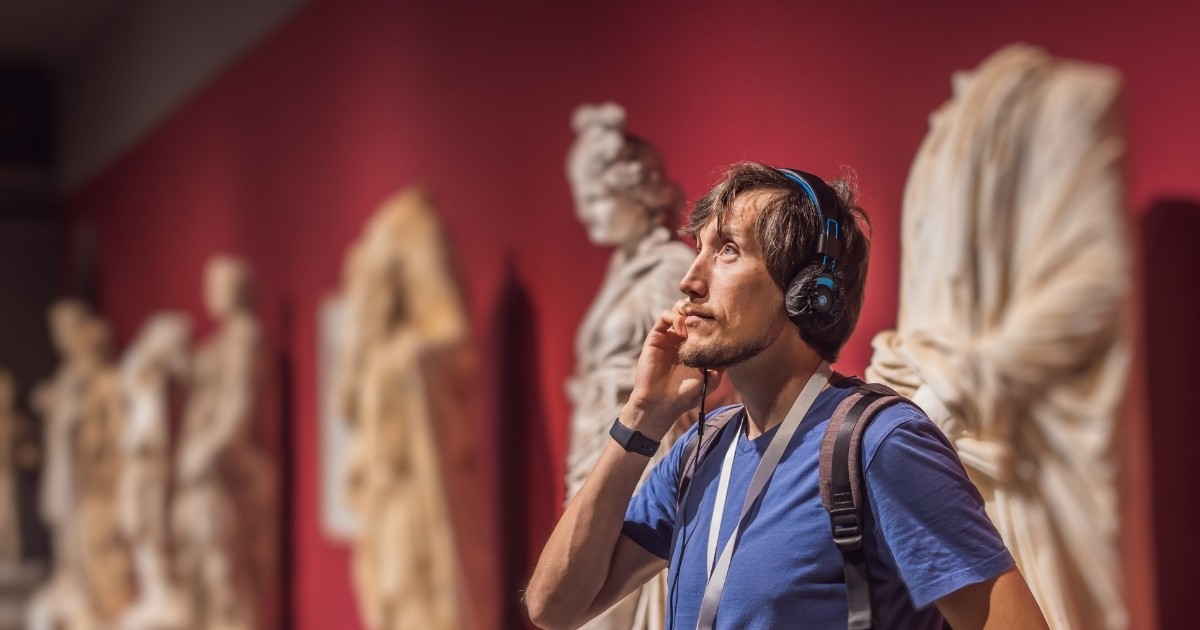
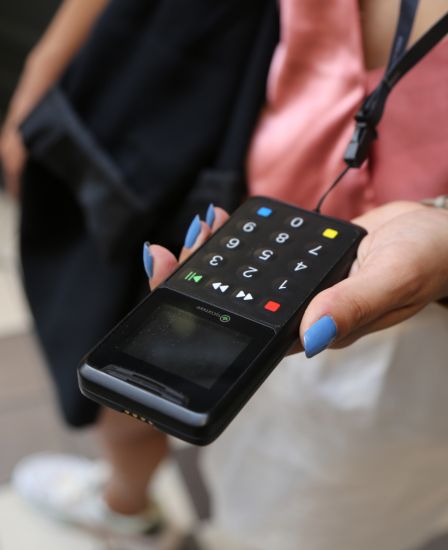
Visiting a major Paris museum means living a unique experience at the heart of art and history. But beyond the masterpieces, the experience also depends on the visitor tools made available to the public: here is a comparison of the solutions offered by five of the largest Paris museums.
The Louvre: a geolocated multimedia guide in 9 languages
For several years, the world's largest museum has offered a multimedia guide based on an adapted Nintendo 3DS XL console. Available in 9 languages (French, English, Spanish, Italian, Portuguese, German, Japanese, Korean, Chinese), it offers:
- adult and family routes;
- a geolocation system making it easy to find your way around the museum;
- versions in French Sign Language (LSF) and audio description for visitors with disabilities.
Price: €6 (up to 6 audio guides per purchaser, ID deposit required). Worth noting: the 3DS console will be phased out in September 2025 in favour of a new multimedia guide, after a short transition period with no rentals.
The Musée d'Orsay: multimedia guide and mobile audio guide
The Musée d'Orsay relies on a dual offer: a multimedia guide for hire (€6 full price, €4 reduced, €3.50 children), covering the permanent collections with more than 300 commentaries as well as the temporary exhibitions, and a mobile audio guide (€4), downloadable to a smartphone via QR code, limited to the temporary exhibitions.
On the language front: 10 for the collections (including French, English, Chinese, Korean, Russian), but only 2 for the exhibitions (French and English). Accessibility is not forgotten: induction loops for the hard of hearing, free audio description, and routes in French Sign Language.
The Centre Pompidou: free podcasts
Unlike the other institutions, the Centre Pompidou has completely abandoned the physical audio guide. Visitors are invited to use their smartphone to listen to free podcasts, downloadable before, during or after the visit: exhibition tours for flagship events, tours of the Centre Pompidou (the building's history, the panoramic view over Paris), the "Un podcast, une œuvre" series on contemporary themes (ecology, feminism, consumerism) and dedicated routes for young audiences. All the podcasts come with a written transcript and are available on audio platforms.
Quai Branly and Musée Rodin: immersive multimedia guides
The Musée du Quai Branly – Jacques Chirac offers a multimedia guide at €5 (€3 reduced), covering the permanent collections and temporary exhibitions. Usable with your own earphones, with devices systematically disinfected, it offers routes enriched with images and immersive sounds to discover the arts of Africa, Asia, Oceania and the Americas.
The Musée Rodin combines a multimedia guide (€6.50), available in 7 languages with more than 2 hours of content enriched with archive images and interviews with specialists, and a tablet-based game trail (€6.50) around The Gates of Hell, with quizzes and interactive games, in French and English from age 6.
Conclusion
In Paris, the major museums have clearly chosen the multimedia guide as the reference tool for enriching the visit. Only the Centre Pompidou departs from this trend, betting on a 100% digital, free and mobile offer through its podcasts. Institutions now favour more immersive, interactive and accessible solutions, suited to an international, connected audience — an analysis that nonetheless rests on a sample of five major museums, and that a wider panel of cultural sites would help to refine.
Tell us about your project: our creative team is here to guide and advise you
Contact us