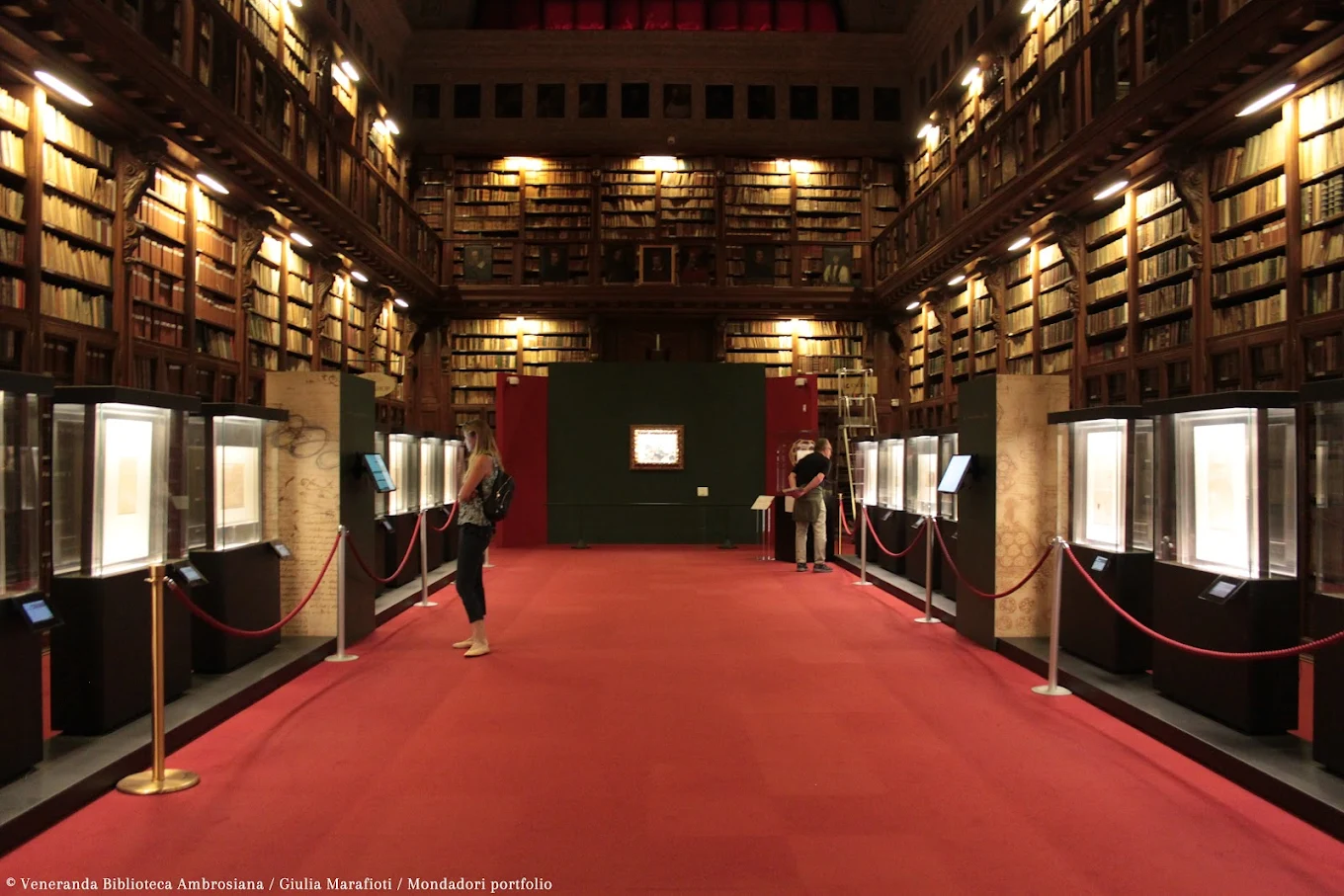
A new era of visiting at the Pinacoteca Ambrosiana: the multimedia guide in the service of art
One of Italy's oldest museums combines the POPGuide app with 30 M-Guides to offer a tour of 57 points of interest in six languages.
Read more→
25 July 2025
Faced with visitors' new expectations, digital interpretation tools are multiplying in museums, monuments and cultural venues. Two solutions stand out: the mobile visit app and the multimedia guide. Each offers specific advantages, but also constraints — and some sites even opt for a hybrid approach.
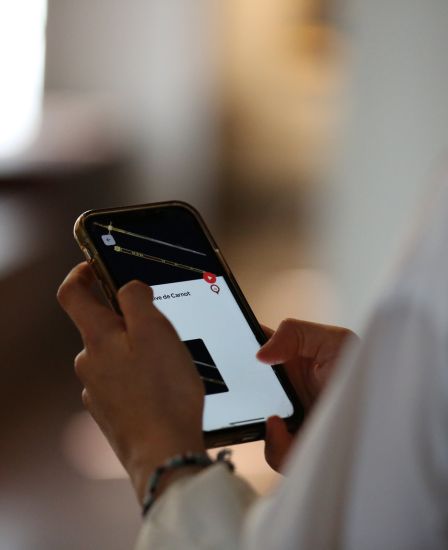
Quick to implement, particularly as PWAs that bypass the app stores, apps are ideal for temporary exhibitions or passing audiences:
Its limitations: a technological barrier (some visitors refuse to download or lack a compatible device), network problems in areas with poor coverage, and device variability (screen quality, sound, ergonomics).
In the post-Covid context, these devices have seen renewed interest: safe handling with disinfection between each visit, complete technical autonomy and optimal comfort for all visitor profiles.
Its drawbacks: an initial investment (purchase, rental, upkeep) and logistical management (distribution, disinfection, storage, recharging).
Many sites today choose a hybrid solution. By offering both a mobile app and a multimedia guide, they cover every visitor profile: those who prefer their own smartphone, and those who have no desire — or no ability — to download an app. This complementarity avoids frustration and strengthens the inclusivity of the cultural offer.
The choice depends on the type of audience, the location (network coverage), attendance levels and the available budget. A few pointers: the multimedia guide guarantees a consistent experience for heritage sites with family and international audiences, and remains the most reliable solution in poorly covered areas; the app suits urban museums frequented by a connected public.
There is no universal solution. The app extends the visit before and after coming to the site and fosters loyalty; the multimedia guide re-centres the experience within the time and space of the venue and guarantees equal access to content. By combining the two, cultural institutions weave a complete digital ecosystem, centred not on technology, but on inclusion, flexibility and the quality of interpretation.
One of Italy's oldest museums combines the POPGuide app with 30 M-Guides to offer a tour of 57 points of interest in six languages.
Read more→
At the top of the UNESCO-listed medieval town, the Tour César can now be explored via the POPGuide app, with automatic triggering by Bluetooth beacons, directly on the visitor's smartphone.
Read more→Four months after its launch in Provins, the POPGuide application and its automatic triggering of audio commentaries are turning the visit of the Tour César into a seamless immersion in 1,200 years of history.
Read more→Tell us about your project: our creative team is here to guide and advise you
Contact us